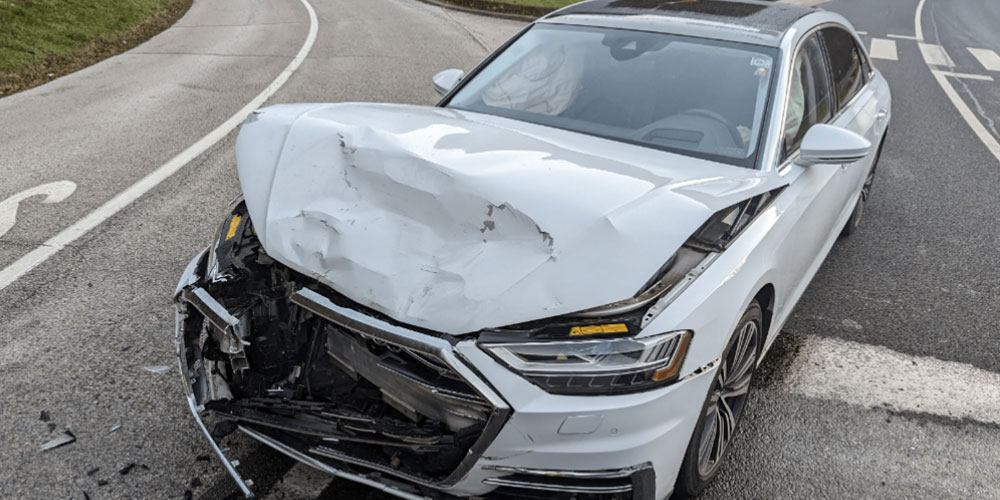

Total Loss Threshold State
Listed In: Car Insurance
The Total Loss Threshold by State defines the point at which an insurance company must declare a vehicle a total loss instead of authorizing repairs. This threshold varies widely across the U.S., typically ranging from 60% to 100% of the vehicle’s actual cash value (ACV). For example, in Iowa, the… The Total Loss Threshold by State defines the point at which an insurance company must declare a vehicle a total loss instead of authorizing repairs. This threshold varies widely across the U.S., typically ranging from 60% to 100% of the vehicle’s actual cash value (ACV). For example, in Iowa, the threshold is 50%, while in Nevada, it's 65%. Other states apply the Total Loss Formula (TLF), where the repair cost plus salvage value must exceed the ACV. Knowing the Total Loss Threshold State helps vehicle owners understand how claims are handled after severe damage. It also influences whether a car is repaired or totaled, affecting compensation, replacement planning, and overall insurance claim strategy. Read more
Additional Locations See All

Total Loss Northwest | Total Loss Appraiser
4508 Northeast 174th Street, Vancouver, WA (1 Km Away)

Total Wellness Weight Loss Center
1290 B Street Suite, Suite 209, Hayward, CA (12771 Km Away)

Total Care Weight Loss
1035 Moreland Rd # 1, Alexandria, KY (1 Km Away)